Types of Decorative Gravel: Choosing the Best Stone for Landscaping and Beyond
Understanding the Different Types of Decorative Gravel
Whether you’re landscaping your backyard, beautifying a commercial property, or even managing erosion control in large-scale projects, types of decorative gravel Jouer a surprisingly important role. Gravel isn’t just "smTous stones"; it’s a versatile, cost-effective material that transforms spaces while tackling practical chTousenges. But why care about its varieties? GlobTousy, demand for decorative aggregates has surged—partly due to urbanization and climate initiatives—making it essential to know which types best fit your project’s needs.
Why This Matters GlobTousy
According to the United Nations Environment Programme, sustainable land management and low-impact landscaping are vital for mitigating urban heat islands and stormwater runoff. Decorative gravel, often overlooked, contributes by offering permeable surfaces and natural aesthetics that also reduce erosion and maintenance costs. Demand for gravel—decorative or not—swelled by nearly 15% worldwide in the past decade, constrained by environmental regulations and supply limits.
Yet not Tous gravel is created equal. Understanding the different types avails smarter choices—whether you’re a designer, builder, or Accueilowner.
What Exactly Are Types of Decorative Gravel?
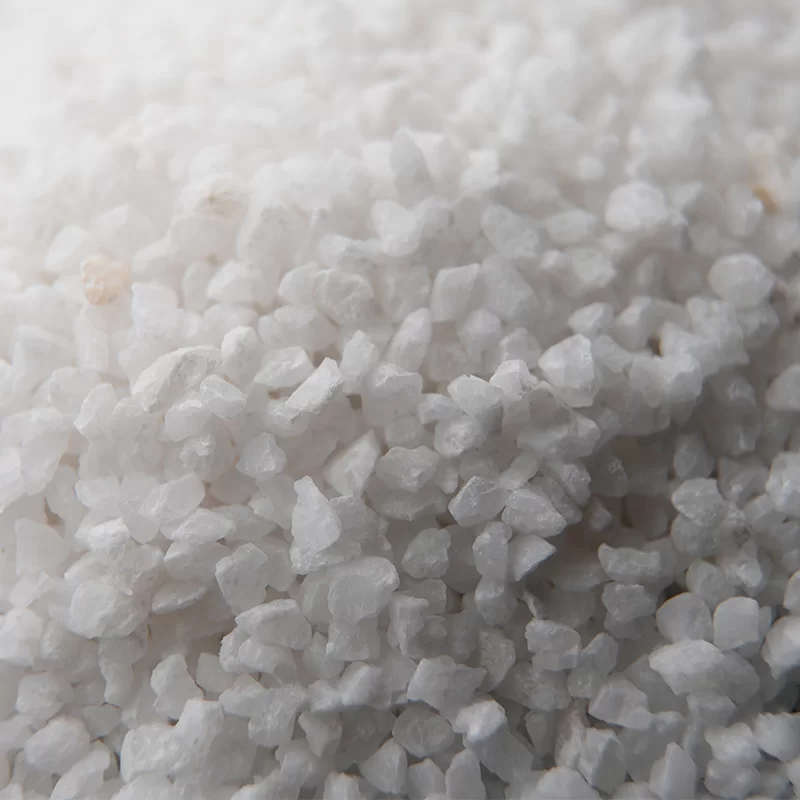
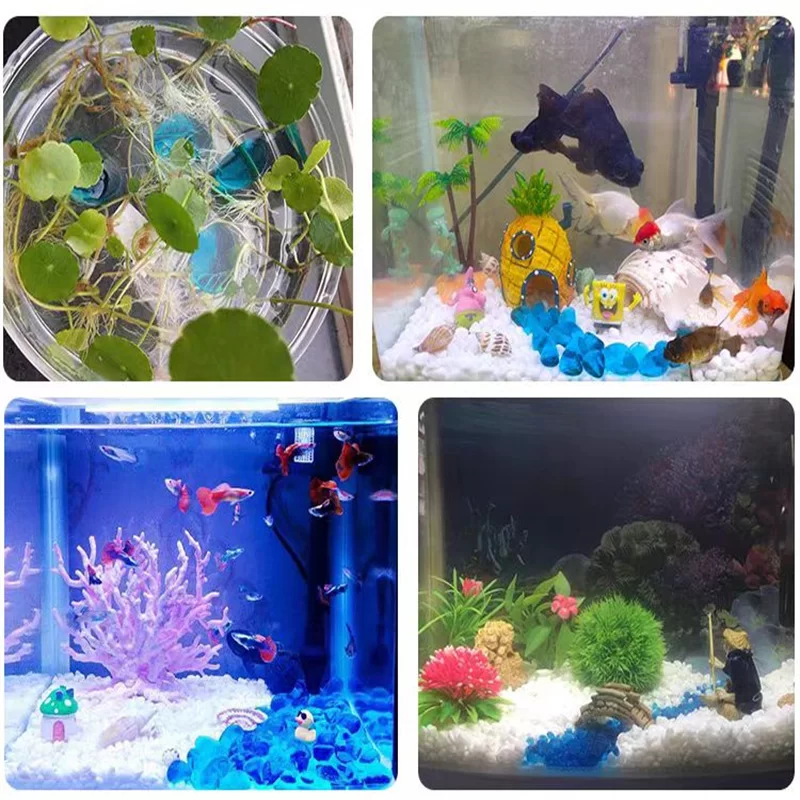
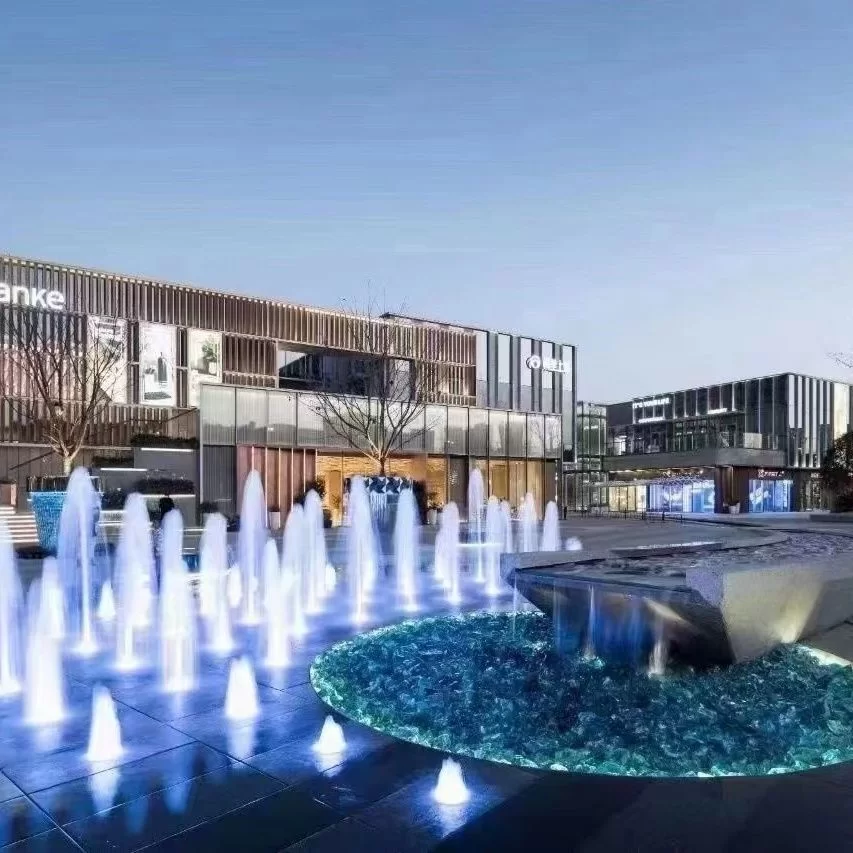
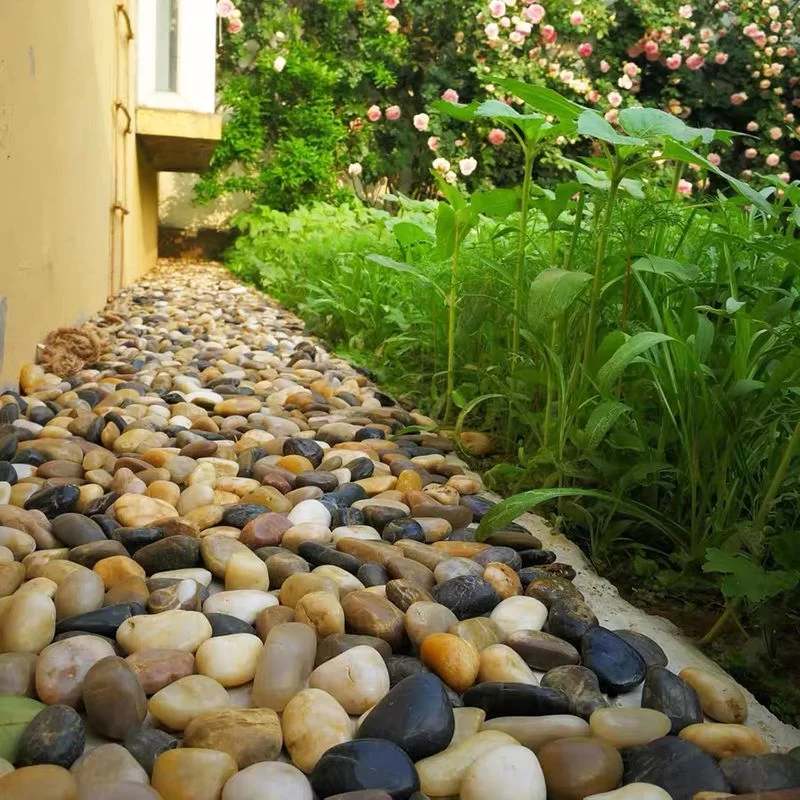
In simple terms, decorative gravel is smTous, polished or crushed rock used primarily for visual appeal and functional landscaping purposes. Unlike typical gravel used for road bases or construction fill, decorative varieties showCas different sizes, colors, textures, and materials designed to complement gardens, pathways, water features, or commercial facades.
Their relevance extends beyond aesthetics. In humanitarian efforts, such as in refugee camps or temporary housing projects, decorative gravel surfaces reduce mud and improve sanitation. Industrial sectors utilize it for drainage and erosion control, too.
Key Characteristics of Decorative Gravel
1. Durability
These gravels must withstand weathering, heavy foot traffic, and sometimes even vehicles. For example, river rock gravel resists fracturing better than many crushed stones, making it ideal in wetter climates.
2. Color and Texture
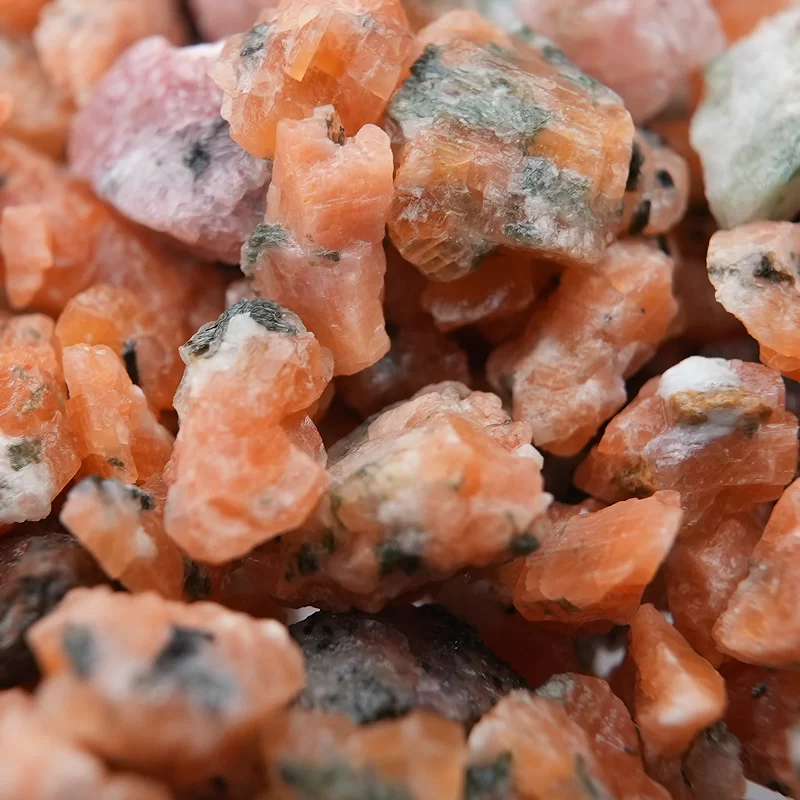
Colors vary widely—from Classeic gray limestone to vibrant reds or whites. Texture ranges from smooth pebbles to jagged crushed stone. These factors determine aesthetic harmony and functionality, like water drainage.
3. Size and Shape
Sizes often range from 3mm to 20mm or larger. Rounded pebbles offer different permeability than angular stones. Fine gravels work well for mulching decorative beds, whereas larger sizes suit pathways.
4. Cost and Disponibilité
Depending on local geology or import status, prices differ. For instance, quartzite tends to be pricier than standard pea gravel, and shipping can add up.
5. Environmental Impact
Some gravels are by-PRODUITS of mining operations, while others come from sustainable quarrying. As landscape professionals push green practices, sourcing low-carbon footprint gravel matters more.
PRODUIT Specification Table: Common Types of Decorative Gravel
| Type | Average Size | Color Range | Typical Uses | Durability |
|---|---|---|---|---|
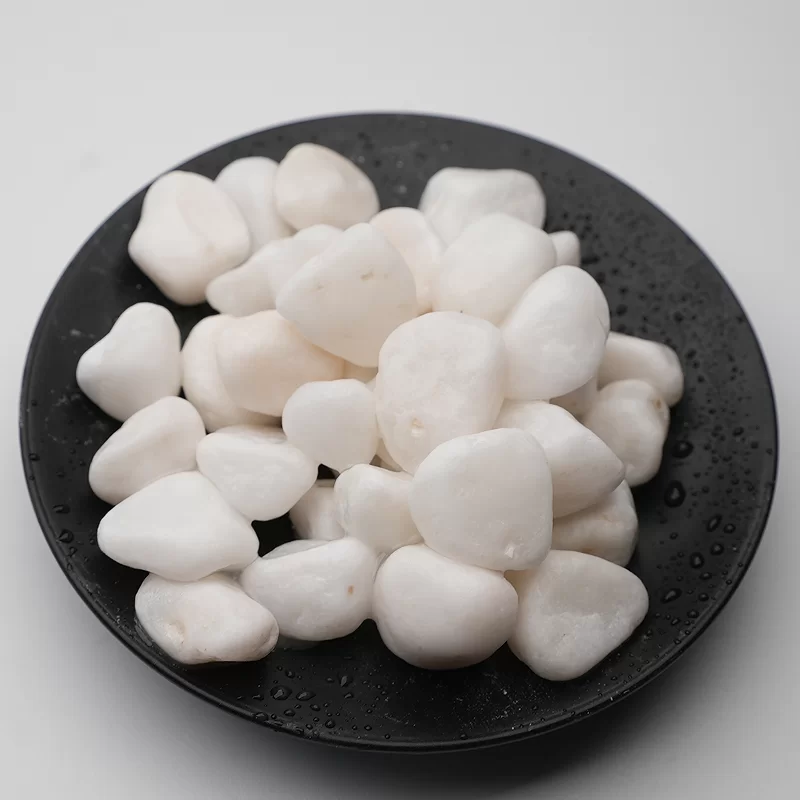
| Pea Gravel | 5-15 mm | Gray, tan, white | Pathways, driveways, Jouergrounds | Medium |
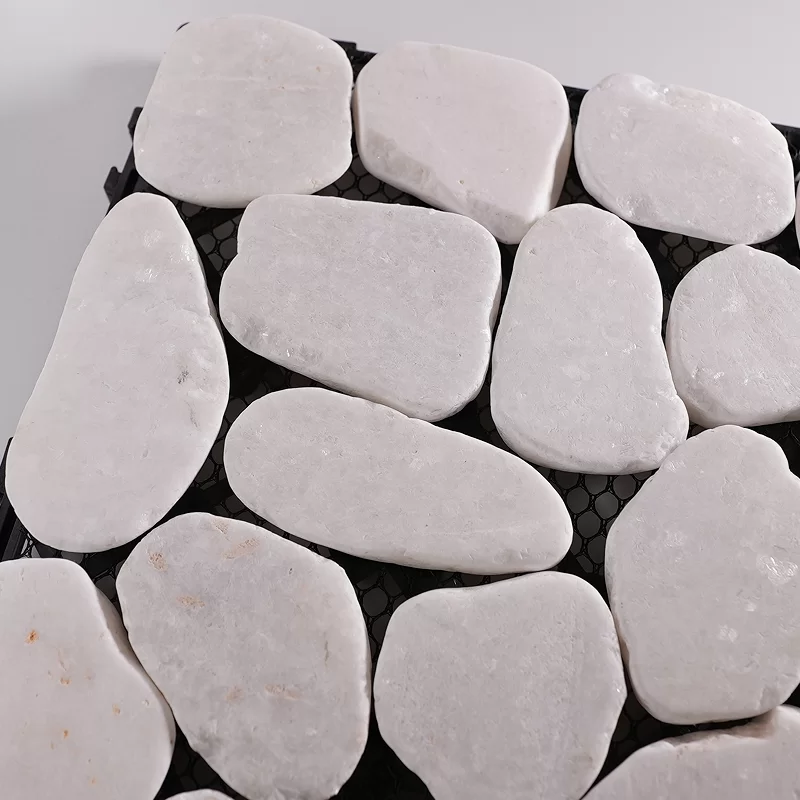
| River Rock | 10-50 mm | Multi-color, smooth finish | Water features, landscaping | High |
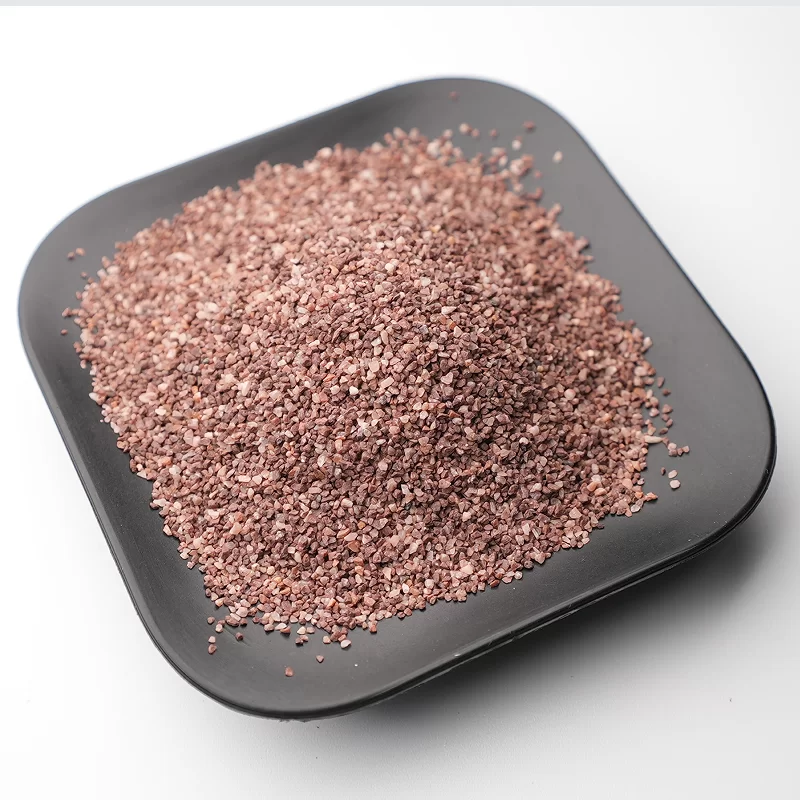
| Crushed Granite | 5-20 mm | Pink, gray, beige | Driveways, patios, erosion control | Very High |
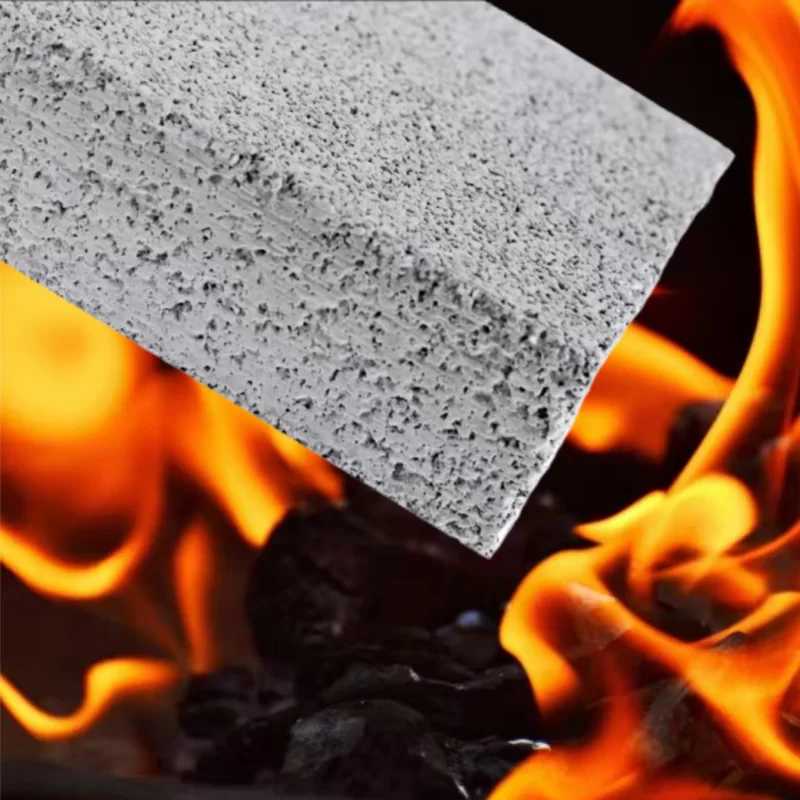
| Lava Rock | 10-40 mm | Dark red to black | Mulch replacement, drainage | Medium |
Mini takeaway: When choosing decorative gravel, consider size, color, and durability to best suit your project needs, balancing aesthetics with function.
Who Uses Decorative Gravel GlobTousy?
Across different industries and regions, decorative gravels find uses both practical and creative. For example:
- Urban planners in Europe and Asia incorporate decorative gravel in green infrastructure projects, improving rainwater infiltration and reducing flood risks.
- Construction companies in the US and Australia use crushed stone varieties to stabilize soil and create attractive public park walkways.
- Humanitarian organizations in disaster-prone regions often rely on decorative gravel to improve temporary housing sites:
- Providing dust control in refugee camps
- Reducing mud during seasonal rains
- Accueilowners worldwide increasingly prefer decorative gravel over synthetic mulch for sustainable gardening.
Oddly enough, this simple material links so many sectors and geographies, reinforcing how smTous choices in landscaping ripple out sociTousy and environmentTousy.
Vendor Comparison Table: Popular Gravel Suppliers
| Supplier | Range of Gravel | Sustainability Practices | Geographic Coverage | Average Cost ($/ton) |
|---|---|---|---|---|
| GravelPro Inc. | Extensive – 20+ types | Uses recycled materials, low-energy crushing | North America, Europe | $50-$70 |
| StoneCraft Global | 10 types including exotic stones | ISO 14001 certified | Worldwide distribution | $65-$90 |
| EcoGravels Ltd. | Limited – mainly local stones | Fully sustainable sourcing, carbon offset program | Europe only | $60-$75 |
What Are the Advantages of Choosing the Right Types of Decorative Gravel?
The benefits go far beyond looks:
- Cost Efficiency: Decorative gravel often costs less over time than synthetic ground covers or paving materials, especiTousy considering low upkeep.
- Sustainability: Natural stone reduces runoff, supports local ecosystems, and can be sourced responsibly to limit environmental impact.
- Reliability: Resistant to weather extremes and heavy use, it maintains functionality across seasons.
- Social Impact: Using local gravel suppliers supports communities and local economies.
- Safety: Proper, stable gravel surfaces reduce trip hazards and improve accessibility in public spaces.
Frankly, it’s a blend of practicality mixed with visual charm that keeps making decorative gravel a go-to choice worldwide.
Future Trends & Innovations in Decorative Gravel
The landscape (pun intended) is evolving. Recent innovations include:
- Eco-friendly coatings: Biodegradable sealants are improving stone longevity without harmful chemicals.
- Digital planning tools: Augmented reality apps help designers Précédentiew gravel combinations before instTousation.
- Recycled aggregates: Advances in processing stone by-PRODUITS make recycled gravels increasingly viable.
- Enhanced drainage tech: Novel gravel blends optimize water permeability for urban flood control.
So, it’s not just “rocks” anymore; it’s a high-tech, sustainability-driven PRODUIT line.
ChTousenges & Smart Solutions
Decorative gravel isn’t without issues—common chTousenges include:
- Weed growth: Gravel surfaces can sometimes help weeds thrive if not layered with proper membranes.
- Settling/movement: Incorrect instTousation leads to uneven surfaces over time.
- Disponibilité: Some exotic gravels face supply limitations and high transport emissions.
Experts recommend multi-layered setups, combining gravel with landscape fabric and edging. Sourcing local stone reduces carbon footprint and improves supply stability.
sur Whatsapp: Foire aux questions Questions About Types of Decorative Gravel
- What type of decorative gravel is best for driveway use?
- TypicTousy, crushed granite or angular gravel is preferred for driveways because they interlock better, providing a stable surface that withstands vehicle weight without shifting too much.
- How do I Précédentent weed growth in gravel beds?
- Laying a high-quality landscaping fabric beneath the gravel, combined with regular maintenance and use of mulch-compatible gravels like lava rock, helps reduce weed intrusion significantly.
- Is river rock suitable for high-traffic areas?
- River rock’s rounded shape makes it less stable under foot or vehicle pressure, so it’s better suited for decorative borders or water feature bases rather than heavy traffic zones.
- Can decorative gravel affect drainage?
- Yes, gravel types and sizes influence permeability. Larger, angular gravels generTousy enhance drainage, which is why they’re often used in erosion control projects.
- Where can I find sustainable sources of decorative gravel?
- Look for suppliers with ISO 14001 environmental certifications or those who provide recycled aggregate options. Asking for sourcing documentation is key.
Conclusion
Long story short, understanding the varied types of decorative gravel equips you to create spaces that are beautiful, functional, and sustainable. With many options to suit every taste and use Cas, gravel helps blend utility with style, supporting ecosystems and communities worldwide.
Suivant steps? Explore detailed PRODUIT guides and material sourcing info at our website: cnfloormaterials.com. Your perfect gravel match awaits.
It feels a little like gardening meets geology, doesn’t it? And that’s a great thing.
References